
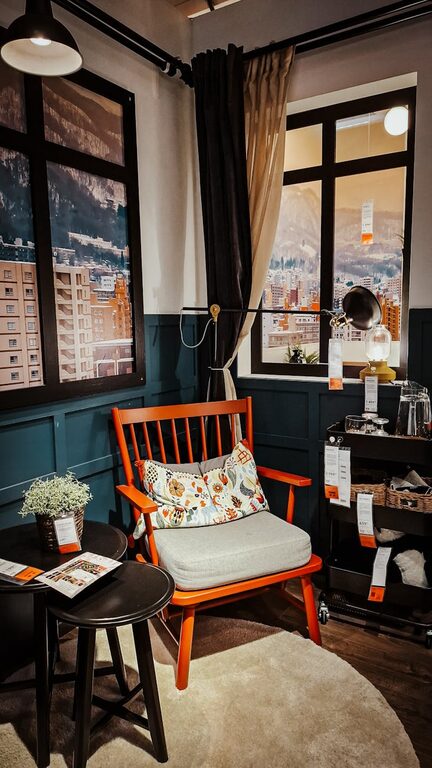
Lighting plays a crucial role in setting the mood and functionality of any room in your home. Comfortable lighting doesn’t just illuminate a space—it creates an inviting atmosphere where you can relax, focus, or entertain. Choosing the right lighting can sometimes feel overwhelming, with so many options available. To help you make informed decisions, here are practical tips for selecting comfortable home lighting that suits your needs and style.
Understand the Different Types of Lighting
Before diving into selecting fixtures and bulbs, it’s important to understand the three main types of lighting in interior design:
1. Ambient Lighting
This is the general, overall light that fills a room. It provides uniform illumination and sets the basic mood. Common sources include ceiling fixtures, chandeliers, or recessed lights.
2. Task Lighting
Task lighting helps you perform specific activities like reading, cooking, or working. Examples are desk lamps, under-cabinet lights, and vanity mirrors.
3. Accent Lighting
Accent lighting highlights architectural features, artwork, or décor, adding depth and visual interest. Spotlights, track lights, and wall sconces are typical accent options.
Using a combination of these lighting types ensures your space is well-lit and comfortable.
Tips for Choosing Comfortable Home Lighting
Consider the Room’s Purpose
Lighting needs differ from room to room. For example, living rooms benefit from warm, soft lighting for relaxation, while kitchens require brighter, focused light for meal preparation. Think about how you use each space throughout the day.
Choose the Right Color Temperature
Color temperature is measured in Kelvins (K) and affects the color of the light. Here’s a quick guide:
– Warm White (2700K–3000K): Soft, cozy light ideal for bedrooms and living areas.
– Neutral White (3500K–4100K): Balanced light suitable for kitchens and bathrooms.
– Cool White (5000K+): Bright, crisp light good for work spaces but less relaxing.
For comfort, most homes benefit from warm to neutral white lighting.
Opt for Dimmable Lights
Dimmers allow you to adjust light intensity based on mood or time of day. Installing dimmer switches can transform a room from bright and energetic to soft and calming effortlessly.
Use Multiple Light Sources
Instead of relying on a single overhead fixture, layer your lighting. Combine ambient, task, and accent lighting to create visual balance and flexibility. For example, use ceiling lights along with table lamps and wall sconces.
Select Fixtures That Complement Your Décor
Lighting fixtures should fit your home’s style. Whether your taste is modern, rustic, or traditional, there are countless options available. Well-chosen fixtures make lighting feel natural and part of the design.
Pay Attention to Fixture Placement
Position lighting carefully to avoid glare and harsh shadows. For instance, place reading lamps to the side and slightly behind to reduce eye strain. Under-cabinet lights should illuminate countertops without casting your shadow.
Go for Energy-Efficient Bulbs
LED bulbs use less energy, last longer, and produce less heat compared to incandescent bulbs. Choosing energy-efficient bulbs can save on electricity bills and reduce maintenance without sacrificing comfort.
Additional Tips for Specific Rooms
Living Room
– Use a mix of floor lamps, table lamps, and overhead lights.
– Choose warm white bulbs to create a cozy environment.
– Incorporate dimmers to switch between bright and soft lighting.
Kitchen
– Focus on bright, shadow-free task lighting.
– Install under-cabinet lights to brighten countertops.
– Use neutral or cool white bulbs for clarity.
Bedroom
– Select warm, low-intensity lighting to promote relaxation.
– Consider bedside lamps with adjustable brightness.
– Avoid harsh overhead lighting.
Bathroom
– Combine overhead lighting with vanity lights beside or above the mirror.
– Use neutral white bulbs for natural skin tones.
– Ensure the lighting is bright enough for grooming but not overpowering.
Final Thoughts
Choosing comfortable home lighting is about balancing functionality and ambiance. Think about each room’s purpose, layer your lights, and select adjustable, warm-toned bulbs for a welcoming atmosphere. With the right choices, your home will feel cozy and well-lit, enhancing your daily living experience.
Investing time in planning lighting details pays off with a space that feels just right—bright when you need it, soft when you want to unwind. Remember, good lighting is both an art and a science, so don’t hesitate to experiment and make changes until you find what works best for you.