
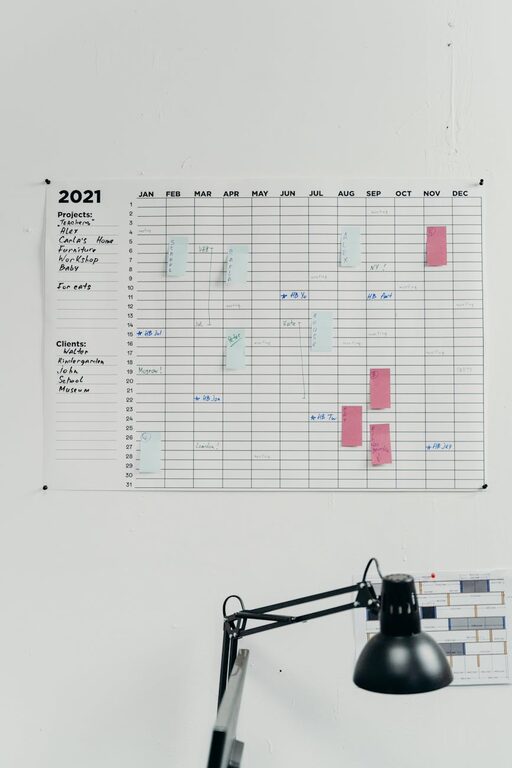
Creating a family command center can transform the way your household stays organized and communicates. It acts as a central hub where everyone can access important information—from schedules and appointments to meal plans and chores. If your home feels chaotic or you’re looking for ways to simplify daily routines, a family command center might be just what you need.
In this post, we’ll walk you through how to set up a family command center that works for your unique household, helping you stay coordinated and stress-free.
What Is a Family Command Center?
A family command center is a designated area in your home, often located in a busy spot like the kitchen or entryway, where all family members can easily access shared information. Think of it as a command post that helps keep track of calendars, to-do lists, mail, schedules, keys, and more.
The goal is to reduce clutter, improve communication, and make staying on top of daily responsibilities easier for everyone.
Benefits of Having a Family Command Center
– Centralized Communication: Everyone knows where to find important information.
– Improved Time Management: Easily track appointments, activities, and deadlines.
– Task Delegation: Assign chores and responsibilities clearly.
– Reduced Stress: Less last-minute scrambling and forgotten tasks.
– Motivation and Teamwork: Engages all family members to contribute.
Step 1: Choose the Right Location
Select a spot in your home where family members pass through regularly. Good locations include:
– Near the kitchen or dining room
– An entryway or mudroom wall
– A hallway or staircase landing
Make sure there’s enough space to put up boards, hooks, shelves, or other organizing tools without interfering with daily movement.
Step 2: Decide What to Include in Your Command Center
Think about what information your family needs most. Here are common elements to consider:
– Calendar: A shared calendar displaying appointments, school events, and extracurricular activities.
– To-Do Lists: For grocery shopping, errands, and upcoming tasks.
– Chore Chart: Assign and track household responsibilities.
– Mail Organizer: Slots or baskets for incoming and outgoing mail.
– Key Hooks: A place to hang keys to avoid misplacing them.
– Notepads or Message Boards: For quick notes, reminders, and messages.
– Meal Planner: Weekly menus or recipe ideas to streamline cooking.
– Charging Station: Optional—keep phones and devices in one spot.
– Inspiration or Family Goals: Motivational quotes or shared goals to keep everyone motivated.
Step 3: Gather Materials and Tools
Depending on your selected elements, you might need:
– Wall-mounted whiteboards or chalkboards
– Bulletin boards or corkboards
– Magnetic strips or boards
– Clear plastic sleeves or file organizers
– Hooks or pegboards
– Clipboards or baskets
– Labels and markers
– Command strips or nails for mounting
Choose materials that suit your style and are easy to update frequently.
Step 4: Design Your Layout
Plan a layout that makes information easy to find and update. Some tips:
– Place the calendar in the center or at eye level.
– Group related items together: meal plans near the grocery list, chores in one section.
– Use color coding for family members or types of tasks.
– Leave space for notes and last-minute updates.
– Keep frequently used items within easy reach, especially for kids.
You can sketch your layout on paper before setting it up.
Step 5: Assemble and Mount Your Command Center
Once you have your materials and layout decided, install your family command center:
- Mount boards and organizers securely.
- Attach hooks and shelves.
- Place baskets or trays for loose items.
- Label areas clearly for easy identification.
- Add decorative touches like photos or artwork to make it inviting.
Step 6: Get the Family Involved
For your command center to be effective, everyone needs to use and maintain it:
– Introduce the command center during a family meeting.
– Explain how to update calendars and lists.
– Assign responsibility for adding new events or tasks.
– Encourage kids to check and complete chores listed.
– Use it consistently for reminders and communication.
Step 7: Keep It Updated and Functional
A family command center is most helpful when information is current. Set a weekly routine to:
– Review and update the calendar.
– Check and refresh to-do and chore lists.
– Clear out old notes and mail.
– Adjust meal plans if needed.
– Celebrate completed tasks or family accomplishments.
Tips for Success
– Customize to Your Family: Adjust the setup as your family’s needs evolve.
– Keep It Simple: Avoid overcrowding the space to prevent overwhelm.
– Use Technology When Helpful: Sync digital calendars with the physical board.
– Make It Fun: Add personal touches or reward systems.
– Encourage Accountability: Positive reinforcement works wonders.
Conclusion
Setting up a family command center is a practical way to bring order and communication into your home. By thoughtfully choosing your location, organizing essential information, and involving everyone, you’ll enjoy smoother days with fewer missed appointments and forgotten chores.
Start small, keep things flexible, and watch your family thrive with a centralized hub designed to keep you all connected and on track. Whether you’re balancing school schedules, work commitments, or weekend activities, a family command center is a simple tool that can make a big difference. Happy organizing!