
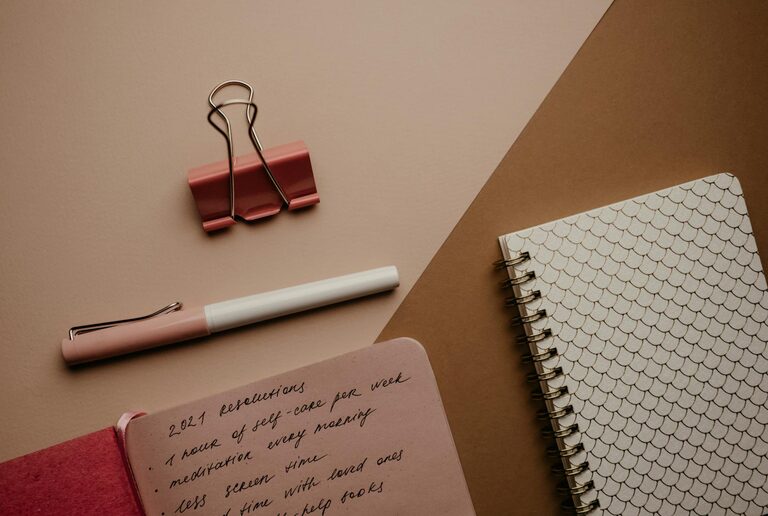
Choosing the right notebook might seem like a simple task, but finding one you’ll actually use and enjoy can be more challenging than it appears. Whether you want a notebook for journaling, work notes, creative writing, or everyday planning, the perfect match depends on your personal habits, preferences, and needs. In this post, we’ll walk you through practical steps to help you select a notebook you’ll love and keep using.
Why Choosing the Right Notebook Matters
A notebook can be a powerful tool for organization, creativity, and productivity. But if it doesn’t suit your style or purpose, it often ends up abandoned on a shelf. Using a notebook you enjoy encourages consistency and makes your note-taking or journaling a rewarding habit.
Step 1: Identify Your Notebook’s Purpose
Before shopping, clarify what you want to use the notebook for. Some common uses include:
– Journaling: Personal reflections, gratitude, or diary entries
– Work notes: Meeting minutes, project details, or brainstorming
– Creative writing: Stories, poems, or idea sketches
– Planning: To-do lists, calendars, or goal tracking
– Art and sketches: Drawings, doodles, or mixed media
Knowing your primary use will guide the type of notebook you need.
Step 2: Choose the Right Size and Format
Notebooks come in many sizes and formats. Consider what fits your lifestyle and how portable you want your notebook to be.
Common Sizes
– Pocket-sized (A6 or smaller): Very portable, fits in small bags or pockets; good for quick notes or journaling on the go.
– Medium (A5): Popular and versatile; balances portability and writing space well.
– Large (A4 or letter size): Offers plenty of space; great for detailed notes or sketches but less portable.
Formats
– Ruled (lined): Perfect for writing and note-taking.
– Plain (blank): Ideal for drawing and freeform notes.
– Grid or Dot Grid: Great for bullet journaling, technical notes, or planning layouts.
– Preformatted planners: Designed specifically for organizing days, weeks, or projects.
Step 3: Consider Paper Quality
The feel of the paper affects your writing experience, especially if you use fountain pens, markers, or other specialized inks.
– Thickness (GSM): Paper weight is measured in grams per square meter (GSM). Higher GSM means thicker, less likely to bleed through or wrinkle. For fountain pens, look for 90 GSM or higher.
– Texture: Smooth paper is nice for fine writing instruments; textured paper suits pencils and charcoal better.
– Color: White or cream paper options can sometimes make writing easier on the eyes.
Step 4: Think About Binding and Cover
The physical structure of the notebook matters for durability and ease of use.
Types of Binding
– Spiral or coil: Lies flat when open; easy to fold back on itself but can be bulky or prone to damage.
– Perfect bound (like a paperback book): Sleek and professional; may not lie completely flat.
– Sewn binding: Durable and often lies flat; tends to be pricier.
– Ring binder: Allows you to add or remove pages, flexible for projects or planners.
Cover Options
– Hardcover: Offers protection and durability; heavier to carry.
– Softcover: Lightweight and flexible; may wear out faster.
– Leather or faux leather: Stylish and highly durable.
– Fabric or cardstock: Offers varied textures and designs.
Step 5: Choose a Style That Inspires You
Your notebook’s appearance can motivate you to write regularly.
– Bright or muted colors
– Minimalist or decorative designs
– Personalized or customizable covers
– Special features like bookmarks, elastic closures, or ribbon markers
Pick one that appeals to your taste and makes you excited to open it.
Step 6: Set a Reasonable Budget
Notebooks are available at many price points, from budget-friendly to luxury options. Decide how much you want to spend. Remember, an expensive notebook isn’t always better, but investing in quality can improve your writing experience.
Step 7: Test Before You Commit
If possible, visit a local bookstore or stationery shop to feel notebooks in your hands. Try writing a few lines on the paper with your favorite pen or pencil. This hands-on experience helps avoid surprises.
Bonus Tips for Using Your Notebook Regularly
– Keep your notebook in a visible, easy-to-reach spot.
– Set a daily or weekly reminder to write or review notes.
– Use colored pens or stickers to decorate entries.
– Avoid perfectionism—allow your notebook to be a space for free expression.
– Consider pairing your notebook with digital tools for extra motivation.
Conclusion
Choosing a notebook you’ll actually use involves understanding your needs, preferences, and habits. By considering its purpose, size, paper quality, binding, and style, you can find a notebook that inspires and supports your everyday tasks. Take your time, explore options, and most importantly, enjoy the journey of filling those pages with your ideas and thoughts.
Happy writing!