
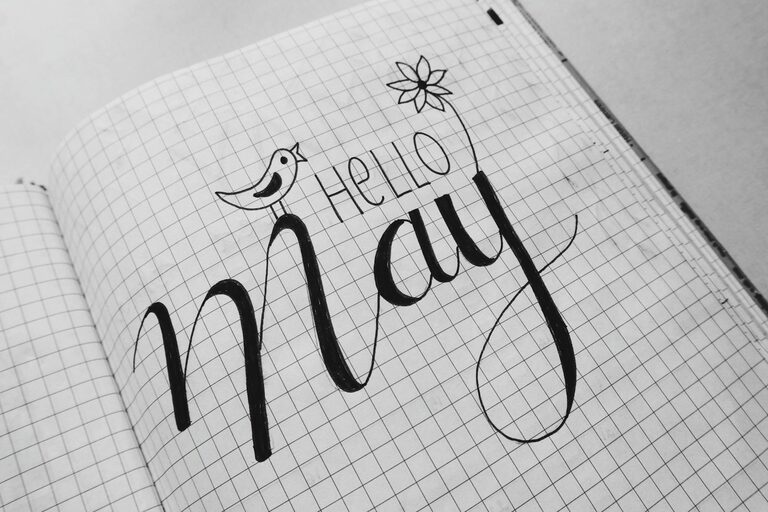
Bullet journaling has become a popular and flexible way to keep track of your goals, appointments, and ideas. It combines creativity with productivity to help you stay organized and inspired. If you’re new to bullet journaling, this guide will walk you through the basics of getting started, what tools you need, and tips for making it work for you.
What Is Bullet Journaling?
Bullet journaling is a customizable analog system created by Ryder Carroll. It’s designed to help you organize your tasks, events, and notes in a simple notebook using bullet points, symbols, and short-form notation. The beauty of bullet journaling is that it can be adapted to fit your personal style and needs — whether you prefer minimalism or artistic flair.
Why Try Bullet Journaling?
– Improve organization: Keep track of your daily to-dos, appointments, and long-term goals all in one place.
– Boost productivity: Prioritize tasks and monitor progress with rapid logging.
– Encourage creativity: Customize layouts that inspire you, from doodles to colorful trackers.
– Reduce stress: A clear plan on paper can help calm your mind and improve focus.
—
What You Need to Get Started
Essential Supplies
– Notebook: A blank, lined, grid, or dot grid notebook works. Popular choices include Leuchtturm1917 or any journal you like.
– Pen: Choose a reliable pen for writing. Many start with a black gel pen or fineliner.
– Ruler: Useful for drawing neat lines or grids.
Optional Extras
– Colored pens or markers
– Stickers or washi tape for decoration
– Stencils for consistent shapes
Remember, bullet journaling is about flexibility. You don’t need fancy supplies to begin; a simple notebook and pen will do.
—
Basic Components of a Bullet Journal
1. Index
An index helps you quickly find specific pages. Reserve the first few pages of your journal for this. Number your pages as you add content, then list the page numbers next to their titles in the index.
2. Future Log
Use this section to jot down upcoming events, appointments, or goals that are weeks or months ahead. Divide pages into months or quarters.
3. Monthly Log
Include a calendar view or list for the current month, marking important dates. This section also serves as an overview of the month’s tasks.
4. Daily Log
This is where most of your everyday tasks, events, and notes go. Use bullet points with quick symbols:
– Task: •
– Event: ○
– Note: –
– Completed task: ×
– Migrated task: > (moved to a later date)
– Scheduled task: < (moved to calendar or future log)
—
How to Set Up Your First Bullet Journal
Step 1: Number Your Pages
Number all pages in your notebook to keep the index functional.
Step 2: Create Your Index
Set aside 2–4 pages at the beginning for the index — you will update this as you add new sections.
Step 3: Make a Future Log
Divide 2 pages into 6–12 sections for future months. Add planned events or deadlines here.
Step 4: Design Your Monthly Log
Set up the current month’s calendar and task list. Keep it simple if you prefer, or add habit trackers or mood logs.
Step 5: Start Your Daily Logs
Begin your daily pages by listing tasks, events, and notes as they come. Use your symbols to track progress.
—
Tips for Success in Bullet Journaling
– Keep it simple: Start with the basics and build complexity as you feel comfortable.
– Be consistent: Try to use your bullet journal daily to form a habit.
– Adapt as needed: Your system should work for you. Modify layouts, symbols, and sections anytime.
– Don’t stress about perfect art: Your journal is a tool, not a work of art gallery.
– Review regularly: Look back at your logs to monitor progress and migrate unfinished tasks.
—
Ideas to Personalize Your Bullet Journal
– Habit tracker: Track workouts, water intake, or reading habits.
– Gratitude log: Write down something you’re thankful for each day.
– Mood tracker: Use colors or symbols to monitor your emotional wellbeing.
– Goal planner: Break your goals into actionable steps.
– Collections: Group related information like books to read, movies to watch, or travel plans.
—
Final Words
Bullet journaling is a fun and effective way to organize your life while giving you room to be creative. There’s no “right” way to do it, so don’t worry about following strict rules. Start with the basics, adapt to your lifestyle, and enjoy the process of making a planning system uniquely yours.
Give bullet journaling a try and watch how it can bring clarity, motivation, and creativity to your day-to-day routine!